
If you’ve just bought a new phone, one of the first questions you face is: “What should I buy first – Best phone protection
Both claim to protect your device, but they do it in different Which Protects Your Phone Better?
Understanding how each one works will help you decide where to invest and how to get the best protection for your smartphone.
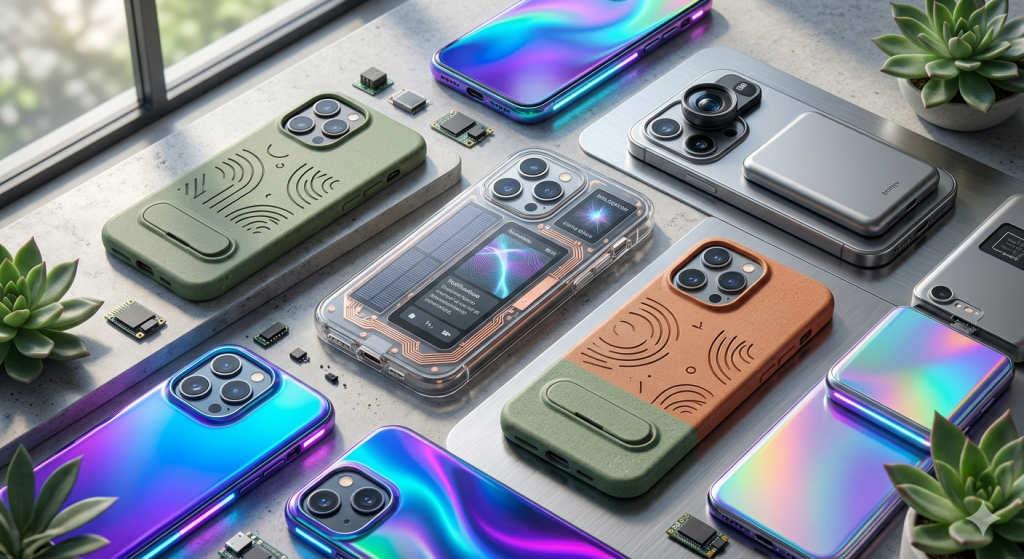
Types of Damage Phones Commonly Face
Before comparing cases and protectors, it’s important to know what your phone is actually up against:
- Drops and impacts:
Falling from your hand, table, bed, or pocket.Mobile phone case - Scratches:
Caused by keys, coins, rough surfaces, or debris in pockets and bags. - Cracks and shattering:
Especially on large glass screens and camera modules. - Everyday wear:
Minor scuffs, corner wear, and small chips over time.
No single accessory can protect against every kind of damage perfectly, which is why both cases and screen protectors play different
Why Protecting Your Smartphone Is Important
Which One Offers Better Protection?Phone Case vs Screen Protector: Key Differences
Key protective benefits of a case:
- Shock absorption during drops.
- Protection for corners and edges (the most impact-prone areas).
- Reduced risk of scratches on the back and frame.
- Extra grip to prevent slipping from your hand.
Some cases also have raised edges around the screen and camera, which helps prevent direct contact with surfaces when your phone is placed face-down or dropped at certain angles.Which Protects Your Phone Better?
However, even the best case cannot completely protect the front glass from direct impact or sharp objects.
What a Screen Protector Really Protects
A screen protector is a thin layer placed directly on the phone’s display.
Its main job is to protect the screen from scratches and minor front-facing impacts.
Tempered glass screen protectors can:Benefits of Screen Protectors
- Absorb some impact from drops or hits, sometimes cracking themselves instead of the actual screen.
- Guard against scratches from keys, coins, and rough surfaces.
- Reduce fingerprint smudges and glare (depending on the type).
Film protectors focus more on scratch protection and a smooth touch surface, with less impact resistance than tempered glass.
Screen protectors don’t protect the back, corners, or sides of your phone. They only cover the display area.

Many users buy a phone case first and skip the screen protector. Here’s what that means:
Pros
- Good protection for sides, corners, and back.
- Better grip, reducing the chance of drops.
- Can improve style and personalize your phone.
Cons
- Screen remains vulnerable to scratches and direct impact.
- A drop landing flat on the front or on an object can still crack the screen.
- Fine dust or sand can scratch the display over time.
Using only a case is better than using nothing, but it leaves a major part – the screen – exposed.
Pros and Cons of Using Only a Screen Protector
Some people prefer the feel of a “naked” phone and only use a screen protector.
Pros
- Good protection against scratches on the display.
- Can take the impact of small drops or hits directly on the screen.
- Keeps the original slim feel and design of your phone.Which Protects Your Phone Better?
Cons
- No protection for corners, back, or frame.Phone cover vs screen protector
- A strong impact on the side or corner can still crack the screen.
- Higher risk of damage if the phone falls on a hard surface.
Using only a screen protector helps with scratches but does little to protect against serious drops.
Why Phone Case + Screen Protector Is the Best ComboDrawbacks of Phone Cases
The reality is that phone cases and screen protectors are not competitors – they are partners.
Each protects what the other cannot.
When you use both together:
- The case absorbs impacts and protects corners, edges, and the back.
- The screen protector guards the front glass from scratches and some direct impacts.
- Raised edges from the case plus the extra layer from the protector give a stronger barrier overall.
This combination dramatically lowers the risk of major damage from everyday accidents. For most people, using both is the smartest and safest option.

How to Choose the Right Phone Case
When picking a phone case for protection, focus on:
- Fit:
It must match your exact phone model, with precise cutouts. - Materials:
Look for TPU, polycarbonate, or hybrid constructions for better shock absorption. - Raised Edges:
Ensure there is a small lip around the screen and camera. - Corner Protection:
Extra padding or air cushions in the corners are a big plus. - Grip:
A slightly textured surface or rubbery feel helps prevent slips.
Choose a case that matches your daily habits – rugged if you drop your phone often, slimmer if you prefer a lighter feel but still want basic protection.
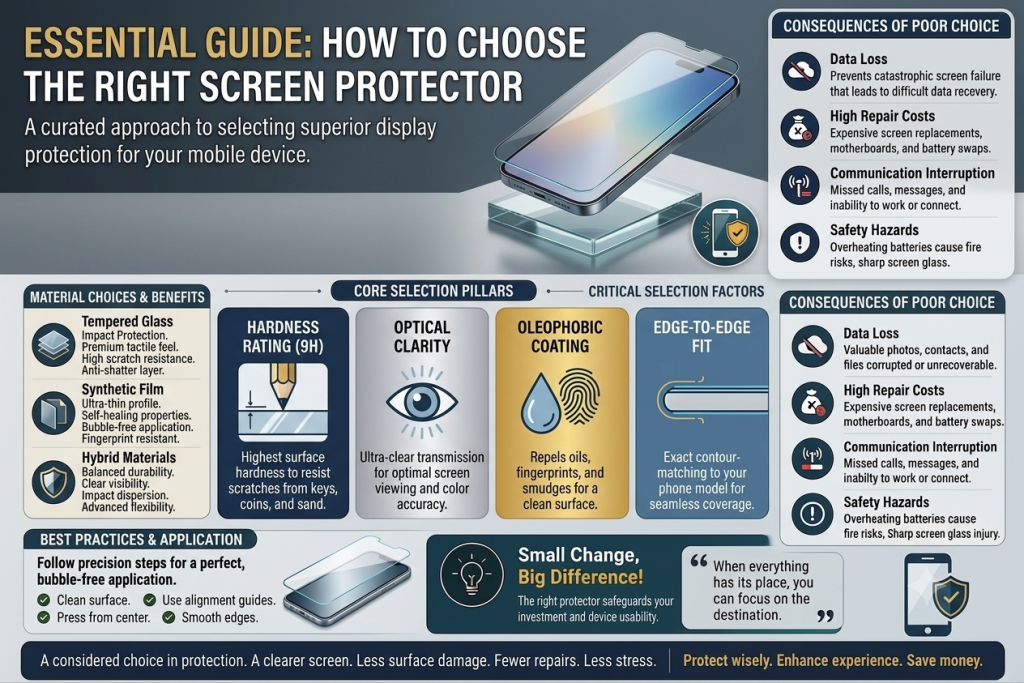
How to Choose the Right Screen Protector
For a screen protector, think about how you use your phone and what you value most:Which Protects Your Phone Better?
- Tempered Glass:
Best overall protection, feels closest to the original screen, and resists scratches and minor impacts well. - Film Protectors (TPU/PET):
Good for scratch resistance with a softer, sometimes more flexible feel. - Extra Features:
You can choose versions that reduce glare, offer blue-light filtering, or add privacy so people can’t easily see your screen from the side.
Make sure the protector is designed specifically for your phone model, especially if your phone has curved edges or camera cutouts near the display.
Final Verdict
So, which protects your phone better – a phone case or a screen protector?
The answer is simple: they do different jobs and work best together.
A phone case is better at protecting your phone from drops, knocks, and damage to the body.
A screen protector is better at defending the display from scratches and some direct impacts.
If you want complete, everyday protection, you shouldn’t have to choose one over the other. Using both gives your phone the best chance of surviving accidents without costly repairs.Which Protects Your Phone Better?
Final Thoughts
Your smartphone is a big investment and holds a lot of important information and memories.
Instead of risking damage with minimal protection, combine a good phone case with a quality screen protector.