
A smartphone is one of the most expensive and important gadgets we carry every day.How to choose the perfect phone case
From calls and payments to work, social media, and photos, everything depends on that small device in your pocket.
That’s why choosing the perfect phone case for maximum protection is not just about style – it’s about saving you from costly repairs and endless headaches. In this guide, you’ll learn exactly what to look for in a protective case so you can keep your phone safe without sacrificing comfort or looks.

Why Phone Case Protection Matters in 2026
Modern smartphones are thinner, more powerful, and more fragile than ever.
Large glass screens, slim metal frames, and complex camera modules make them more vulnerable to cracks and damage from even simple drops.How to choose the perfect phone case
Repair costs have also gone up, especially for premium models. A single screen replacement can sometimes cost as much as a mid-range phone. Investing in a strong phone case is a small price to pay compared to repairing or replacing your device.
Main Types of Protective Phone Cases
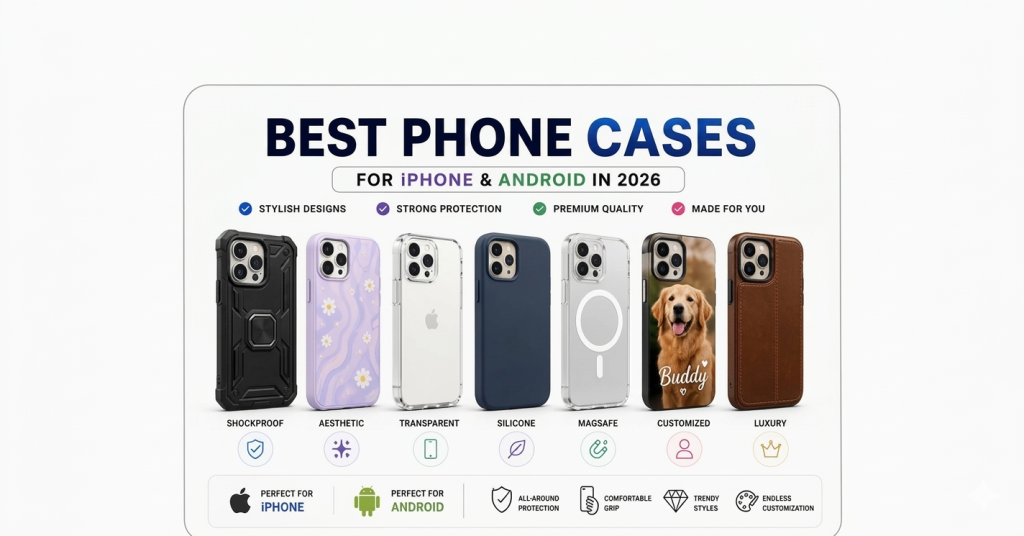
Not all phone cases are created equal. Understanding the main types helps you pick the level of protection you really need:
- Rugged / Heavy-Duty Cases:
Thick, multi-layered cases designed for serious drop and impact protection. Ideal for clumsy users, travelers, or outdoor workers. - Hybrid Cases:
Combine a hard outer shell with a softer inner layer. They offer a good balance between protection and bulk. - Slim Protective Cases:
Thinner and lighter cases that still offer decent drop protection, especially around corners and edges. Great for everyday use. - Wallet Cases:
Cover both front and back of the phone and often include card slots. Some offer strong protection, while others focus more on convenience. - Bumper Cases:
Protect the sides and corners of your phone while leaving the back visible or partly open. These are useful if you want a minimal look with solid corner protection.
Each type has its strengths, so the “perfect” case depends on how and where you use your phone every day.
Protection Levels: Drop Ratings, Military Grade & IP Ratings
When searching for a protective phone case, you’ll often see terms like “military-grade” or “drop tested.” Here’s what they generally mean:
- Drop-Tested / Drop Rating:
Some brands test their cases from a specific height, like 1.5 m or 3 m. The higher the tested drop height, the better the protection.How to choose the perfect phone case - Military-Grade (often written as MIL-STD-810G or similar):
This usually means the case has passed certain standardized drop tests, typically more rigorous than basic drops. It’s not a guarantee, but it’s a good sign of durability. - IP Ratings (like IP67 or IP68):
These ratings are usually for phones, not cases, and they indicate water and dust resistance. A case may support or slightly enhance this, but most protective cases don’t have their own IP rating.
When possible, choose cases that clearly mention tested drop protection or military-grade standards. This shows the brand has actually tested the case instead of just claiming “shockproof.”
Best Materials for Maximum Protection
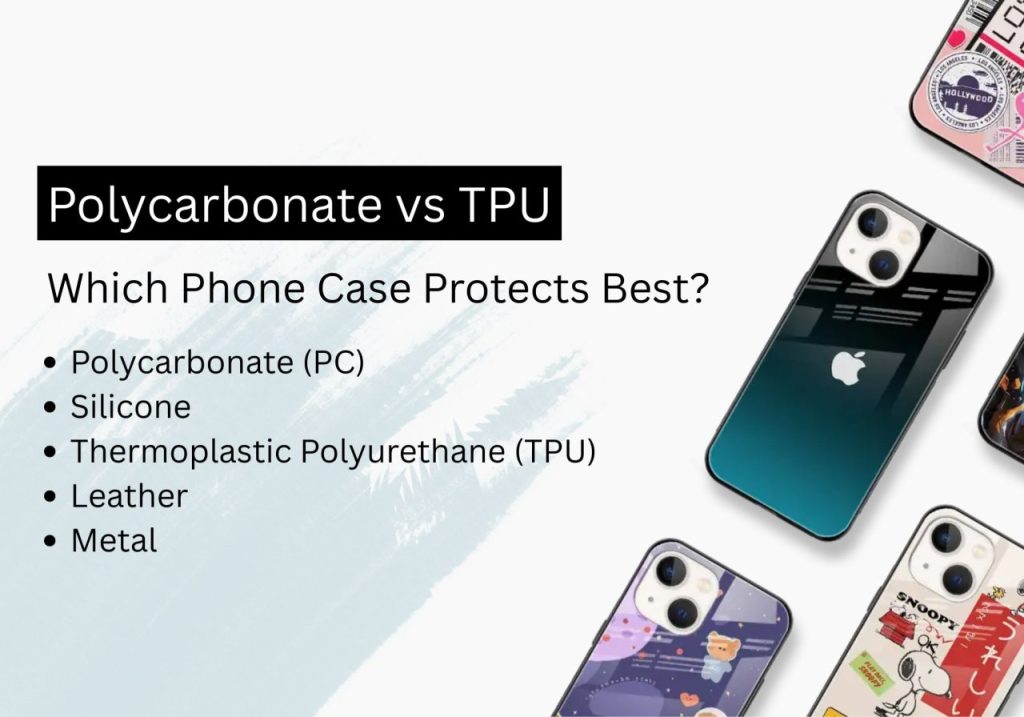
The material of your phone case plays a big role in how well it protects your device.
- TPU (Thermoplastic Polyurethane):
Flexible, shock-absorbing, and commonly used in protective cases. Great for absorbing impacts from drops. - Polycarbonate (PC):
Hard plastic that is tough and scratch-resistant. Often used as the outer shell in hybrid or rugged cases. - Silicone:
Soft and grippy, good for preventing slips. Some silicone cases are a bit weaker against hard impacts unless combined with other materials. - Rubber / Synthetic Rubber:
Excellent for shock absorption and grip. Often used in rugged cases for corners and edges.
The best protective cases usually combine materials – a soft inner layer (TPU or rubber) to absorb shocks and a hard outer shell (PC) to resist scratches and distribute impact.
Match Your Phone Case to Your Lifestyle
To find the perfect phone case, think about how you actually use your phone:
- Students:
Often carry phones in bags with books, chargers, and other items. A slim but sturdy hybrid case with raised edges and a good grip is ideal. - Office Professionals:
May prefer a clean, premium look. A protective case with a simple design or a leather-style finish works well, possibly with MagSafe or wireless charging support. - Parents:How to choose the perfect phone case
Phones may be dropped, grabbed by children, or used in messy environments. A rugged or shockproof case with strong corner protection is a smart choice. - Outdoor Workers / Travelers:
Need tough, rugged cases with reinforced corners, dust protection, and strong grip. Military-grade or heavy-duty cases are best. - Content Creators:
Might benefit from cases with built-in stands, grips, or mounts while still offering solid protection.
Your lifestyle should guide your decision more than just the look of the case.
Must-Have Protective Features to Look For
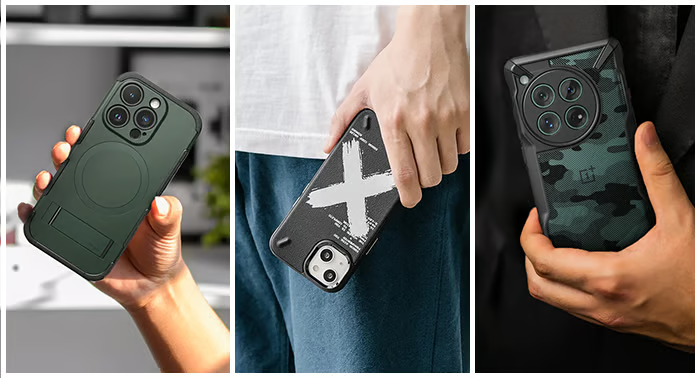
When browsing cases, pay attention to these key protection features:
- Raised Edges (Bezels):
The edges around the screen and camera should be slightly raised to prevent direct contact with surfaces when you place your phone face-down or drop it. - Reinforced Corners:
Most drops land on the corners. Look for air cushions, extra padding, or visible bumpers in the corners. - Shock Absorption:
Multi-layer cases or those made with shock-absorbing materials help disperse impact energy. - Grip Texture:
A case that’s too smooth can slip from your hand. Textured sides or backs reduce the risk of accidental drops. - Snug Fit & Button Protection:
The case should fit tightly without gaps and cover the buttons with responsive, easy-to-press covers.
These small details make a big difference in real-world protection.
Common Mistakes People Make When Buying Cases
Many people waste money or reduce protection because of a few common mistakes:
- Choosing Style Over Safety:
Going for ultra-thin or purely aesthetic cases that offer almost no real protection. - Ignoring Compatibility:
Buying cases that don’t fit properly, block the camera, or interfere with ports and wireless charging. - Trusting Only Cheap, Unknown Brands:
Extremely cheap cases often skip proper materials and testing. Saving a little money now might cost more in future repairs. - Not Considering Daily Use:
A bulky case may sound protective but can become annoying if it doesn’t fit in pockets or bags easily.
Avoiding these mistakes will ensure your case actually protects your phone rather than just decorating it.

Balancing Protection, Style, and Budget
You don’t have to choose between protection and style. Many modern cases offer both:
- Look for brands that show real-life photos and mention materials clearly.
- Choose colors and finishes that match your personality but still have strong protective features.
- Set a budget, but be willing to spend a bit more for trusted quality – it’s still far cheaper than a repair.
Often, mid-range cases from reputable brands give you a great blend of price, durability, and design.
Simple Buying Checklist
Before you buy a phone case for maximum protection, run through this quick checklist:
- Does it fit my exact phone model?
- Does it have raised edges around the screen and camera?
- Are the corners reinforced or cushioned?
- Is it made from TPU, polycarbonate, or a similar protective material?
- Does it support my charging style (wired, wireless, MagSafe)?
- Is the grip comfortable and non-slippery?
- Does the design suit my lifestyle and taste?
If the case checks these boxes, it’s likely a solid choice.
Final Thoughts
The perfect phone case for maximum protection isn’t always the thickest or the most expensive one.
It’s the case that matches your daily life, uses the right materials, and includes smart protective features like raised edges, reinforced corners, and a secure grip.
Take a few extra minutes to choose wisely now, and you’ll save yourself from cracked screens, broken backs, and costly repair bills later.